

 Solutions
 Success Stories
 Tec4Cloud Software
 Realtime Monitoring
 Near Realtime
 Wireless Monitoring
 Connected Shippers
 Quality Management
 Airline Approvals
 Downloads
 Career
 Blog
Blog News
News
Real-Time Condition Monitoring Devices
Global real-time monitoring of temperature, humidity, shock, light, and geo-location
SmartTag is suitable for multiple uses during different transports. Through cutting-edge technology, it offers full cold chain data visibility to manage quality and control. Send us a message
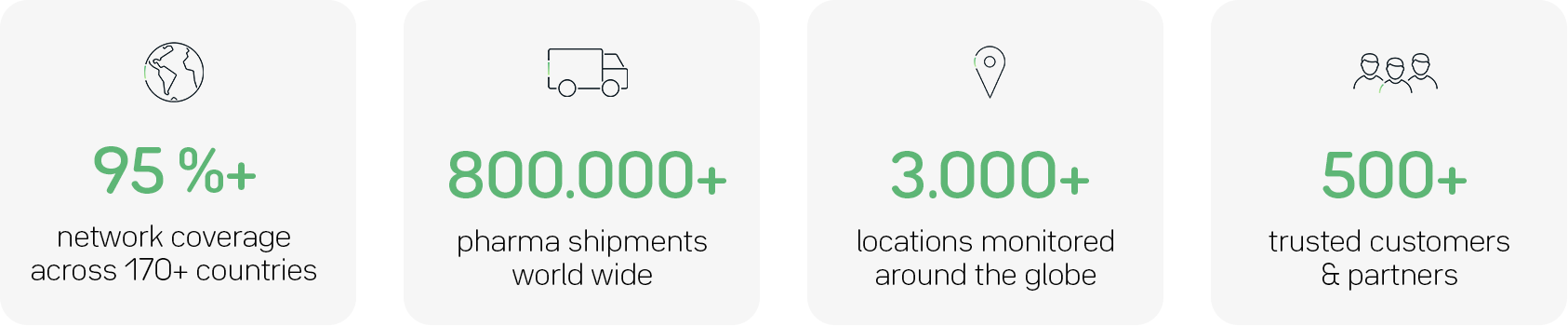
Enabling real-time monitoring to 500+ partners
SmartTag Features
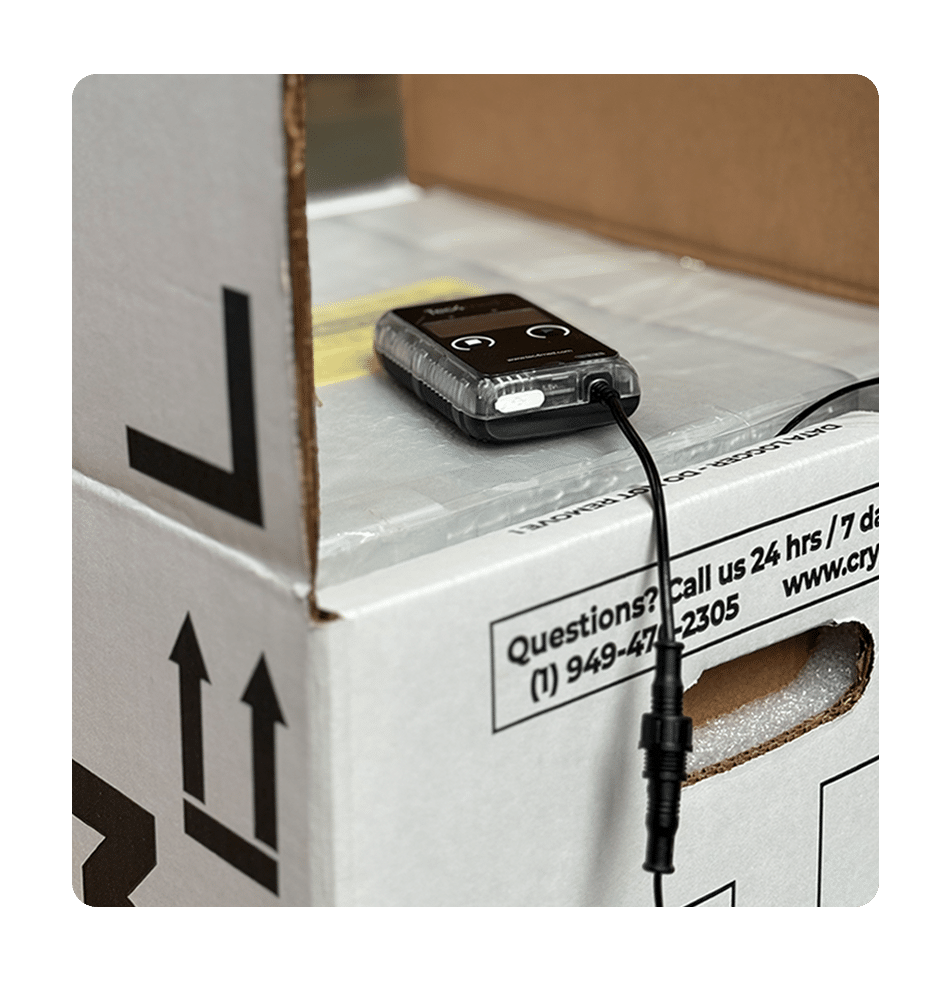
SmartTag Features
Discover the range of real-time monitoring devices designed to give you full visibility and control
SmartTag S
Type
Real-time logger / tracker
Data transfer
GSM (Global LTE 4G/5G; 2G fallback)
Sensors
Temperature, humidity, shock, light, orientation, acceleration
SmartTag M
Type
Rechargeable real-time data logger / tracker
Data transfer
GSM (LTE 4G/5G 2G fallback)
Sensors
Temperature, humidity, shock, light, orientation, acceleration
SmartTag SP
Type
Real-time Monitoring for Cryo & Dry Ice
Data transfer
GSM (Global LTE 4G/5G; 2G fallback)
Sensors
Temperature, shock, light, orientation, acceleration
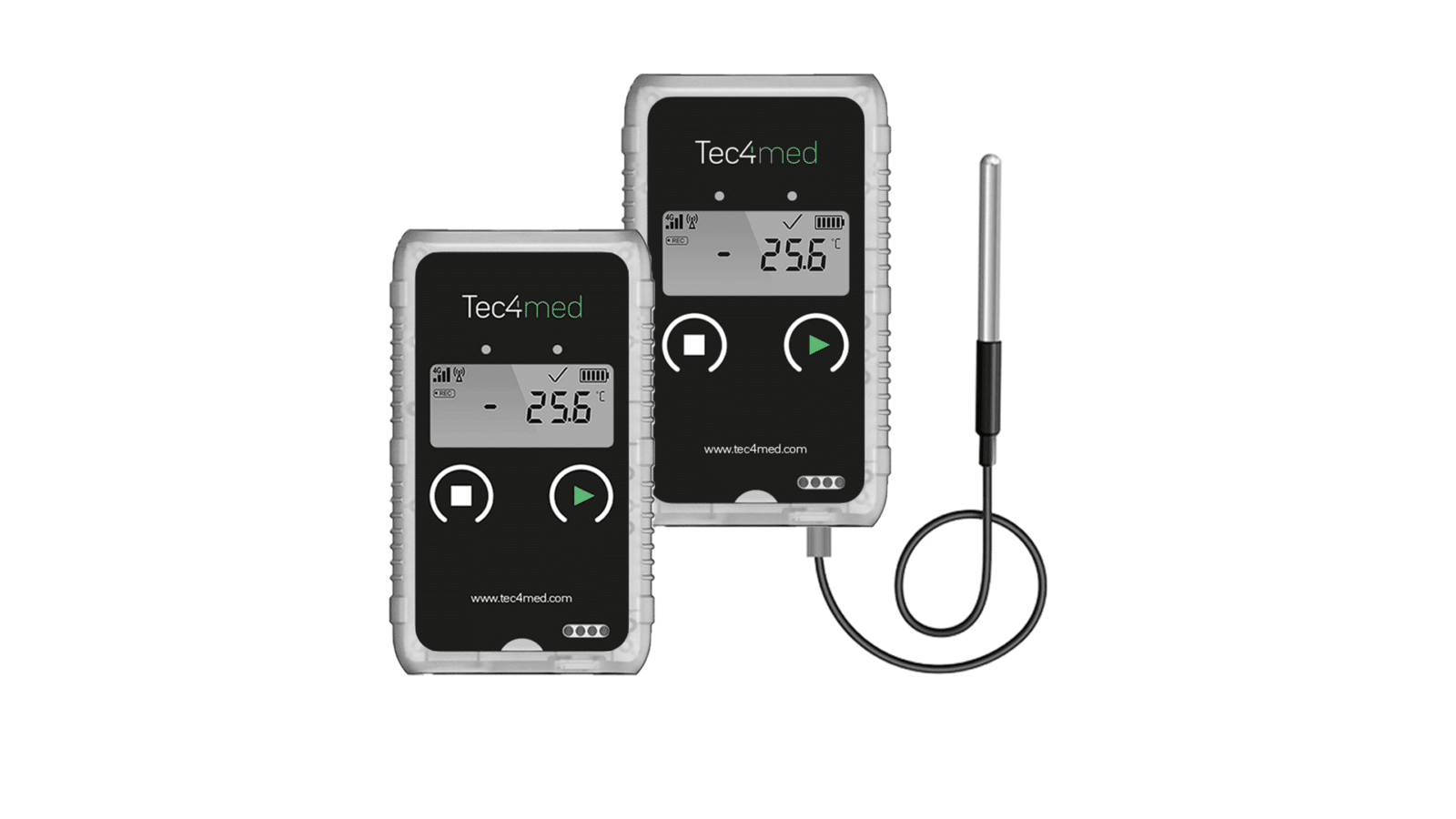
External Probe
for usage in Cryotanks and Dry Ice Shippers
SmartTag MP
Type
Rechargable Real-time Monitoring for Cryo & Dry Ice
Data transfer
GSM (Global LTE 4G/5G; 2G fallback)
Sensors
Temperature, shock, light, orientation, acceleration
External Probe
for usage in Cryotanks and Dry Ice Shippers
Technical Facts
Technical Facts
SmartTag Features
Compliance
Pharma and GxP, audit-ready
Calibration
according to ISO 17025
Temperature Sensor
-200 °C ... +70 °C
Humidity Sensor
5 % rH ... 95 % rH
Discover the full range of Tec4med’s pharma condition monitoring
Cryogenic Condition Monitoring
Cryogenic Condition Monitoring
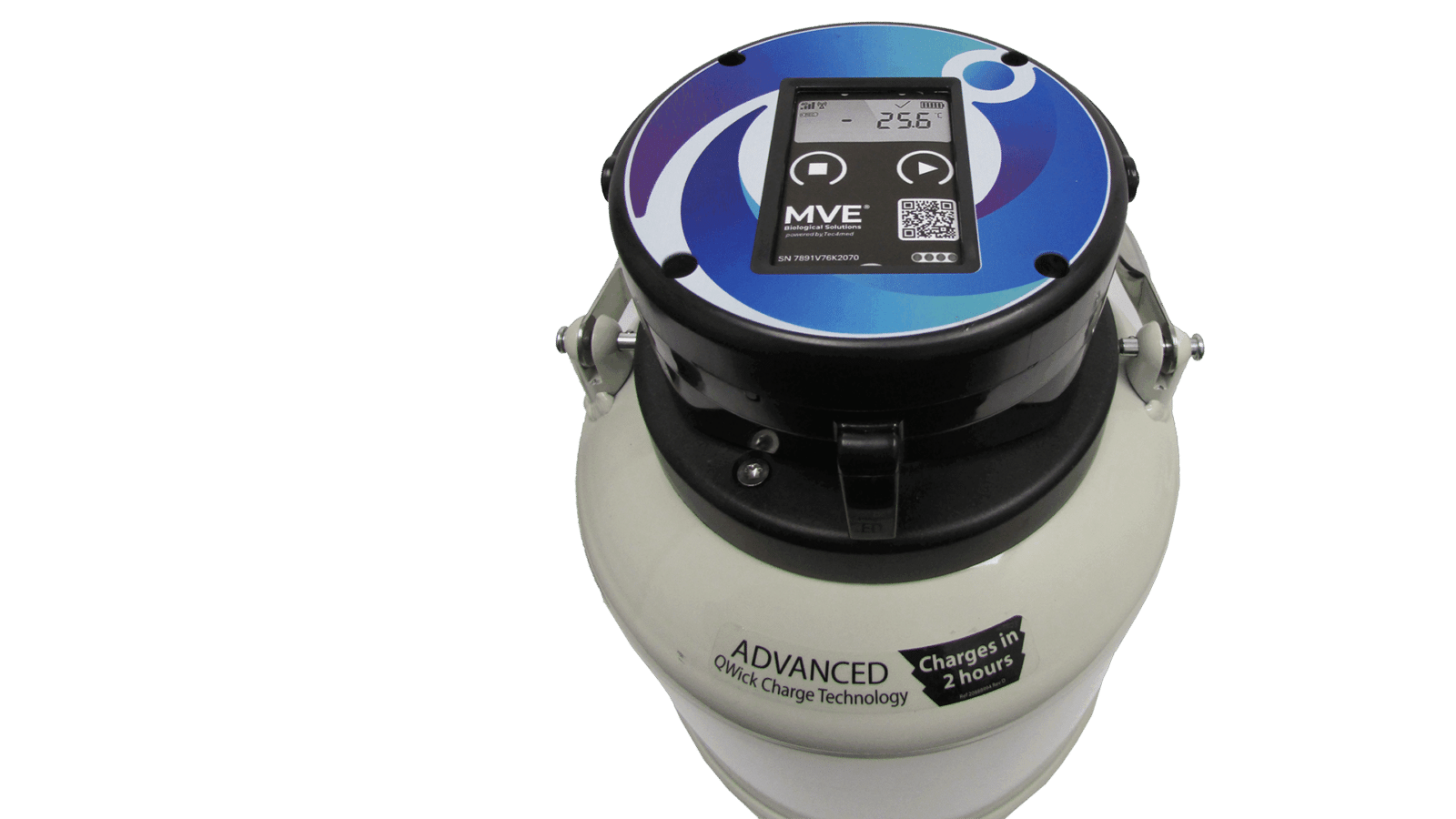
Real-time cryogenic (cryo) monitoring enables continuous tracking of ultra-low temperature conditions required for sensitive materials such as cell therapies, biologics, and vaccines stored or transported in dry ice or liquid nitrogen environments.
SmartTags with a probe interface are specially engineered for real-time cryogenic monitoring for pharmaceutical cold chains. They provide continuous visibility of ultra-low temperature conditions, helping ensure the safe transport.
Frequently asked question about Tec4med’s real-time condition monitoring
A real-time data logger/tracker in the pharmaceutical industry is a device or system used to continuously monitor and record critical conditions such as temperature, humidity, and location during the storage and transportation of medicines. These trackers are especially important for temperature-sensitive products like vaccines, biologics, and insulin, helping companies maintain product quality and comply with pharmaceutical safety regulations.
Unlike traditional data loggers that store information for later review, real-time trackers send live data through cellular or IoT networks to cloud-based platforms. This allows pharmaceutical companies and logistics teams to receive instant alerts if there is a temperature excursion or shipment issue, enabling quick corrective action before products are damaged or become unusable.
The biggest advantage is instant visibility. They allow companies to monitor conditions such as temperature, humidity, and location in real time, rather than waiting until after delivery. This enables immediate alerts when something goes out of range, helping prevent product spoilage and financial loss.
They also improve regulatory compliance and quality assurance by providing continuous, traceable, and audit-ready data that supports GDP/GxP requirements. In addition, real-time loggers enhance supply chain efficiency and decision-making, since logistics teams can intervene during transit, optimize routes, and ensure proper handling throughout storage and distribution.
To read out real-time temperature monitoring devices, you typically access the data through the device’s communication interface (display/screen) or software platform, depending on the system type.
Pharmaceutical condition monitoring devices transmit data via cellular or IoT-network to a cloud dashboard. You log in to a secure web portal or mobile app where you can view live temperature readings, historical graphs, and alerts.